






The importance of muscle mass in obesity

Guest writer: Rob van Berkel, Research dietitian and writer on nutrition and health
The importance of muscle mass in obesity
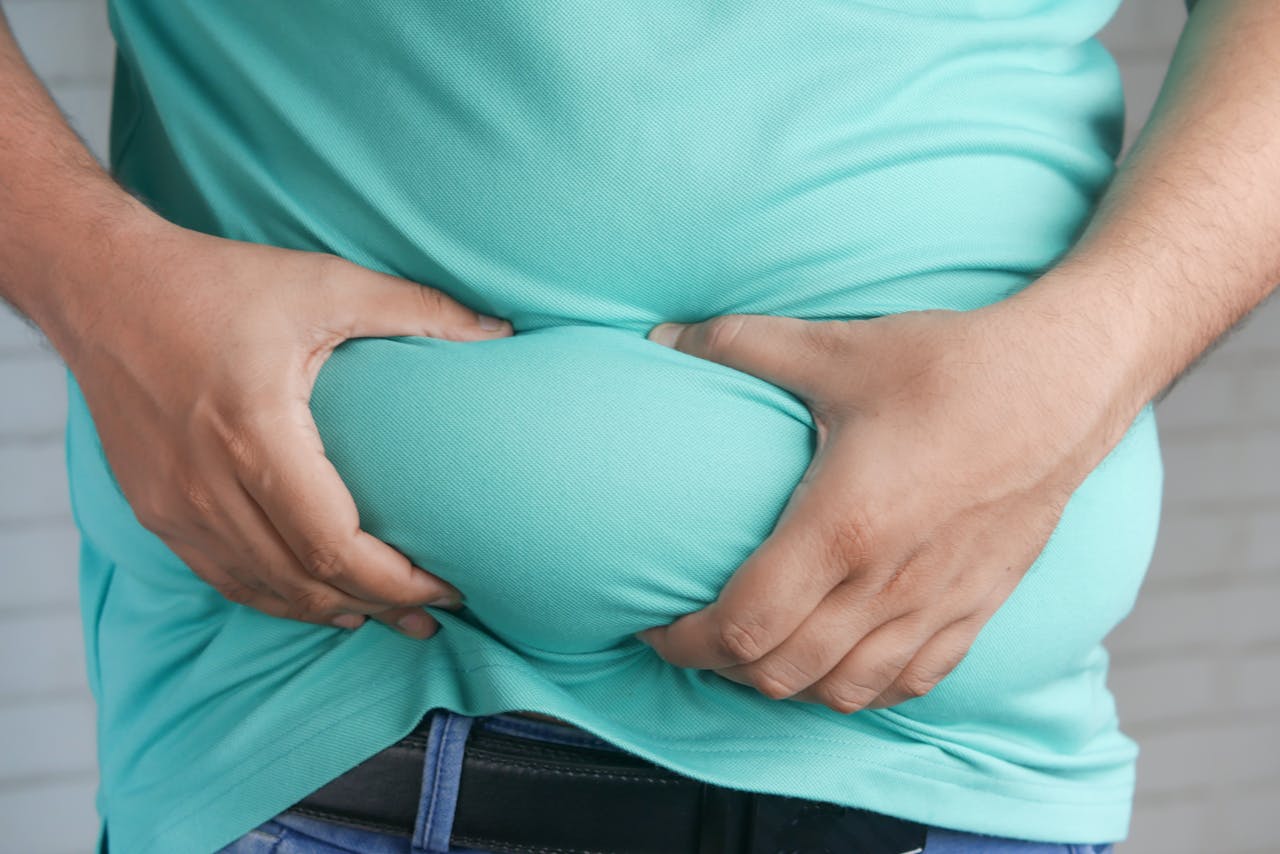
When obesity is discussed, people usually think of a high BMI — in other words, a high body weight relative to body height. Muscle mass often remains overlooked, even though having sufficient muscle mass in obesity is important for health. And not infrequently we see (or actually don’t see) that it is on the low side in obesity.
What is obesity?
The World Health Organization (WHO) defines obesity as:
“An abnormal or excessive fat accumulation that presents a risk to health.”
Since the 1980s, the Body Mass Index (BMI) has been used to determine obesity. BMI is calculated by dividing body weight (in kg) by height (in meters) squared.
A value between 18.5 and 25 is considered healthy.
Between 25 and 30 is classified as overweight, and above that as obesity.
To indicate the severity of obesity, three classes are distinguished:
-
Class I: 30–35
-
Class II: 35–40
-
Class III: > 40 kg/m²
In 2022, more than 2.5 billion adults worldwide were overweight (BMI > 25.0 kg/m²), of whom 890 million had obesity (WHO, 2025). Obesity in particular is associated with numerous negative consequences, including:
Physical consequences
-
Cardiovascular diseases
-
Type 2 diabetes
-
Various types of cancer
-
Sleep apnea
-
Joint problems
-
Fatty liver disease
-
Fertility problems
Psychological and social consequences
-
Depression and anxiety
-
Stigma and discrimination
-
Reduced quality of life
Economic consequences
-
High healthcare costs
-
Lower productivity
BMI says little about health
Although BMI can say something about health at the population level, it says little at the individual level (Barber et al., 2025). This is because BMI only considers body weight and not body composition, while body composition actually influences health. BMI says nothing about the amount of fat mass and muscle mass.
For example, a person who is 1.70 meters tall and weighs 100 kg has a BMI of 34.6 kg/m². That person could have:
-
40 kg fat mass (40%) and 20 kg muscle mass,
but also -
10 kg fat mass (10%) and 50 kg muscle mass.
Additionally, we know that particularly visceral fat in the abdominal cavity — not fat on the hips — is harmful to health (Neeland et al., 2017). BMI says nothing about this, especially at the individual level.
This has long been known, which is why it is now recommended to measure waist circumference in addition to BMI, as this is an indicator of abdominal fat (Ross et al., 2020; Khawaja et al., 2024).
The importance of sufficient muscle mass
Fat in the abdominal cavity increases the risk of clinical obesity, but having sufficient muscle mass lowers this risk.
Muscles not only allow you to stand, move, and breathe, they also:
-
influence basal metabolism
-
produce heat
-
secrete signaling substances (myokines)
-
regulate the metabolism of glucose, amino acids, and fatty acids
Research shows that muscles are responsible for more than 80% of glucose uptake after a glucose load (Merz et al., 2020).

The relationship between obesity and muscle mass
For a long time, little attention was paid to muscle mass in obesity. This is because, unlike BMI, it is not easy to measure and BMI is used by everyone. This is slowly changing, as several studies show that some obesity medications can lead to excessive loss of fat-free mass (including muscle mass) (Neeland et al., 2024).
On average, people with obesity have greater muscle mass than people without obesity (Cava et al., 2017). This can be explained by the heavier body weight they have to carry daily. Nevertheless, low muscle mass also occurs in people with obesity (Barrazoni et al., 2020).
When obesity thresholds are exceeded while muscle mass and muscle strength fall below certain cut-off values, this is referred to as sarcopenic obesity (Donini et al., 2022).
Prevalence:
-
11% in older adults (Gao et al., 2021)
-
27% in people with diabetes (Zhou et al., 2023)
In addition, muscle quality is often lower due to fatty infiltration (Cava et al., 2017). Natural aging contributes to this, but obesity itself and obesity-related health problems such as insulin resistance and chronic low-grade inflammation also play a role. In obesity, fatty acids and pro-inflammatory cytokines can escape from fat cells and infiltrate muscle cells (Axelrod et al., 2023). This attracts immune cells to the muscle, which can lead to loss of muscle mass and function and chronic low-grade inflammation. These inflammatory processes can also spread via the bloodstream to other organs and impair their function. Having both obesity and low muscle mass therefore represents a double burden (Barrazoni et al., 2020).
Gaining insight into muscle mass in obesity
Research often measures fat mass and fat-free mass. Fat-free mass consists of:
-
muscle mass
-
bones
-
organs
-
body water (intra- and extracellular)
Roughly 45–50% of fat-free mass consists of muscle mass (Oliver et al., 2025). The gold standards for measuring fat-free mass/muscle mass in obesity are DEXA and MRI. However, these methods are costly, time-consuming, and not always available.
Using BIA (Bioelectrical Impedance Analysis) is therefore an option. In a joint position statement by ESPEN and EASO, DEXA is recommended as the first choice for assessing muscle mass in the diagnosis of sarcopenic obesity (Donini et al., 2022). BIA is mentioned as the best alternative when corrected for body weight. BIA is suitable for estimating fat-free mass/muscle mass at the group level in overweight and obesity (Becroft et al., 2019).
However, although there is no better alternative, it should be considered that at the individual level — especially in obesity — BIA is less accurate. Most studies show that BIA overestimates fat-free mass compared to DEXA, with an asymmetric margin of error (95% limits of agreement) of about 5–10%.
Multifrequency and segmental BIA and devices using specialized (proprietary) obesity algorithms are preferred, but still overestimate fat-free mass and therefore muscle mass at the individual level.
How can you preserve muscle mass during weight loss?
Weight loss occurs when energy intake is lower than energy expenditure.
On average:
-
75% of weight loss = fat mass
-
25% = fat-free mass
With obesity medication, the loss of fat-free mass may be twice as high. The most important strategies to limit muscle loss are:
-
Consume sufficient protein (1.0–1.5 g/kg/day)
-
Engage in physical activity, preferably strength training
Conclusion
Muscle mass plays an essential role in healthy metabolism and overall health. Although people with obesity generally have more muscle mass, low muscle mass and reduced muscle quality frequently occur and may increase health risks.
Monitoring muscle mass is therefore important, but accurately assessing it at the individual level remains challenging.
References
-
Achamrah N, Colange G, Delay J, Rimbert A, Folope V, Petit A, Grigioni S, Déchelotte P, Coëffier M. Comparison of body composition assessment by DXA and BIA according to the body mass index: A retrospective study on 3655 measures. PLoS One. 2018 Jul 12;13(7):e0200465.
-
Axelrod CL, Dantas WS, Kirwan JP. Sarcopenic obesity: emerging mechanisms and therapeutic potential. Metabolism. 2023;146:155639.
-
Ballesteros-Pomar MD, Calleja-Fernández A, Diez-Rodríguez R, Vidal-Casariego A, Blanco-Suárez MD, Cano-Rodríguez I. Comparison of different body composition measurements in severely obese patients in the clinical setting. Nutr Hosp. 2012;27(5):1626-1630.
-
Ballesteros-Pomar MD, González-Arnáiz E, Pintor-de-la Maza B, et al. Bioelectrical impedance analysis as an alternative to dual-energy x-ray absorptiometry in the assessment of fat mass and appendicular lean mass in patients with obesity. Nutrition. 2022;93:111442.
-
Barber TM, Kabisch S, Pfeiffer AFH, Weickert MO. Optimised Skeletal Muscle Mass as a Key Strategy for Obesity Management. Metabolites. 2025 Feb 1;15(2):85.
-
Barazzoni R, Gortan Cappellari G. Double burden of malnutrition in persons with obesity. Rev Endocr Metab Disord. 2020;21(3):307-313.
-
Becroft L, Ooi G, Forsyth A, King S, Tierney A. Validity of multi-frequency bioelectric impedance methods to measure body composition in obese patients: a systematic review. Int J Obes (Lond). 2019 Aug;43(8):1497-1507.
-
Cava E, Yeat NC, Mittendorfer B. Preserving Healthy Muscle during Weight Loss. Adv Nutr. 2017 May 15;8(3):511-519.
-
Coëffier M, El Machkouri M, L'Huillier C, et al. Accuracy of bioimpedance equations for measuring body composition in a cohort of 2134 patients with obesity. Clin Nutr. 2022;41(9):2013-2024.
-
Das SK, Roberts SB, Kehayias JJ, et al. Body composition assessment in extreme obesity and after massive weight loss induced by gastric bypass surgery. Am J Physiol Endocrinol Metab. 2003;284(6):E1080-E1088.
-
Day K, Kwok A, Evans A, Mata F, Verdejo-Garcia A, Hart K, Ward LC, Truby H. Comparison of a Bioelectrical Impedance Device against the Reference Method Dual Energy X-Ray Absorptiometry and Anthropometry for the Evaluation of Body Composition in Adults. Nutrients. 2018 Oct 10;10(10):1469.
-
Donini LM, Busetto L, Bischoff SC, et al. Definition and diagnostic criteria for sarcopenic obesity: ESPEN and EASO consensus statement. Clin Nutr. 2022;41(4):990-1000.
-
Faria SL, Faria OP, Cardeal MD, Ito MK. Validation study of multi-frequency bioelectrical impedance with dual-energy X-ray absorptiometry among obese patients. Obes Surg. 2014;24(9):1476-1480.
-
Feng Q, Bešević J, Conroy M, Omiyale W, Lacey B, Allen N. Comparison of body composition measures assessed by bioelectrical impedance analysis versus dual-energy X-ray absorptiometry in the United Kingdom Biobank. Clin Nutr ESPEN. 2024;63:214-225.
-
Gao Q, Mei F, Shang Y, et al. Global prevalence of sarcopenic obesity in older adults: A systematic review and meta-analysis. Clin Nutr. 2021;40(7):4633-4641.
-
Horie LM, Barbosa-Silva MC, Torrinhas RS, de Mello MT, Cecconello I, Waitzberg DL. New body fat prediction equations for severely obese patients. Clin Nutr. 2008;27(3):350-356.
-
Jensen B, Braun W, Geisler C, Both M, Klückmann K, Müller MJ, Bosy-Westphal A. Limitations of Fat-Free Mass for the Assessment of Muscle Mass in Obesity. Obes Facts. 2019;12(3):307-315.
-
Kanellakis S, Kourlaba G, Moschonis G, Vandorou A, Manios Y. Development and validation of two equations estimating body composition for overweight and obese postmenopausal women. Maturitas. 2010;65(1):64-68.
-
Khawaja T, Nied M, Wilgor A, Neeland IJ. Impact of Visceral and Hepatic Fat on Cardiometabolic Health. Curr Cardiol Rep. 2024;26(11):1297-1307.
-
Masset KVDSB, Silva AM, Ferrari G, Cabral BGAT, Dantas PMS, Da Costa RF. Development and cross-validation of predictive equations for fat-free mass estimation by bioelectrical impedance analysis in Brazilian subjects with overweight and obesity. Front Nutr. 2025;12:1499752. Published 2025 Jan 20.
-
Mechanick JI, Butsch WS, Christensen SM, Hamdy O, Li Z, Prado CM, Heymsfield SB. Strategies for minimizing muscle loss during use of incretin-mimetic drugs for treatment of obesity. Obes Rev. 2025 Jan;26(1):e13841.
-
Merz KE, Thurmond DC. Role of Skeletal Muscle in Insulin Resistance and Glucose Uptake. Compr Physiol. 2020;10(3):785-809. Published 2020 Jul 8.
-
Neeland IJ, Ross R, Després JP, et al. Visceral and ectopic fat, atherosclerosis, and cardiometabolic disease: a position statement. Lancet Diabetes Endocrinol. 2019;7(9):715-725.
-
Neeland IJ, Linge J, Birkenfeld AL. Changes in lean body mass with glucagon-like peptide-1-based therapies and mitigation strategies. Diabetes Obes Metab. 2024;26 Suppl 4:16-27.
-
Oliver CJ, Climstein M, Rosic N, Bosy-Westphal A, Tinsley G, Myers S. Fat-Free Mass: Friend or Foe to Metabolic Health?. J Cachexia Sarcopenia Muscle. 2025;16(1):e13714.
-
Ritz P, Sallé A, Audran M, Rohmer V. Comparison of different methods to assess body composition of weight loss in obese and diabetic patients. Diabetes Res Clin Pract. 2007;77(3):405-411.
-
Ross R, Neeland IJ, Yamashita S, et al. Waist circumference as a vital sign in clinical practice: a Consensus Statement from the IAS and ICCR Working Group on Visceral Obesity. Nat Rev Endocrinol. 2020;16(3):177-189.
-
Rubino F, Cummings DE, Eckel RH, et al. Definition and diagnostic criteria of clinical obesity. Lancet Diabetes Endocrinol. 2025;13(3):221-262.
-
Sizoo D, de Heide LJM, Emous M, van Zutphen T, Navis G, van Beek AP. Measuring Muscle Mass and Strength in Obesity: a Review of Various Methods. Obes Surg. 2021;31(1):384-393.
-
Waki M, Kral JG, Mazariegos M, Wang J, Pierson RN Jr, Heymsfield SB. Relative expansion of extracellular fluid in obese vs. nonobese women. Am J Physiol. 1991;261(2 Pt 1):E199-E203.
-
Wang Z, Deurenberg P, Wang W, Pietrobelli A, Baumgartner RN, Heymsfield SB. Hydration of fat-free body mass: new physiological modeling approach. Am J Physiol. 1999;276(6):E995-E1003.
-
https://www.who.int/news-room/fact-sheets/detail/obesity-and-overweight Geraadpleegd: 14-09-2025
-
Zhou YY, Wang JF, Yao Q, Jian QF, Luo ZP. Prevalence of sarcopenic obesity in patients with diabetes and adverse outcomes: A systematic review and meta-analysis. Clin Nutr ESPEN. 2023;58:128-135.


